Accelerating Economic Growth
Firing up the engines of economic growth directly will require boosting exports of goods and services, fostering an attractive investment climate, developing cities and regions as growth engines, and advancing science and technology.
Our Strategy
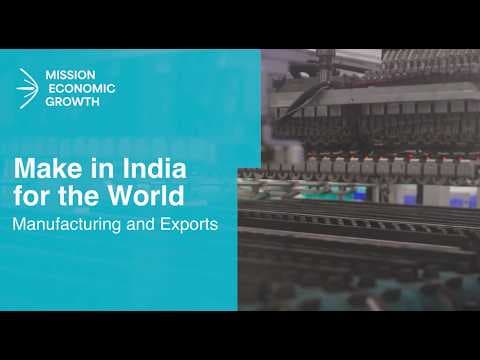
Boosting exports in areas of labour-intensive manufacturing and services (electronics, apparel, footwear, toys, food processing, tourism, etc.) generates mass employment, drives consumption and investment, and makes economic growth inclusive and self-sustaining. The TCF network will therefore put in place strategies that can give India a 10% share of global merchandise exports—up from 1.8% at present—as well as enhance service exports. They will also promote strategies to boost infrastructure, urban planning, ease of doing business, and to make India a top science and technology innovator.

The Foundation for Economic Development (FED) has developed strong programmes to ramp up India’s competitiveness in manufacturing for exports, which have the potential to create 10 crore jobs and pull workers from (on a per capita basis) less-productive agriculture to more-productive industry. Cost disabilities coming in the way of export competitiveness exist in such areas as tariff rates, paucity of free trade agreements, taxation, land price and availability, labour law, building bye-laws, cost of capital, and logistics. In addition, the regulatory ecosystem is complex, burdensome, and uncertain for investors relative to competitor countries. FED and Prosperiti have drawn up detailed action plans for tackling all of these.

The Infravision Foundation and  Institute for Sustainability, Employment and Growth (ISEG) Foundation work on programmes to revamp urban infrastructure. To enhance the efficiency and sustainability of urban growth, city development plans must integrate all infrastructure sectors into spatial development plans, tackling issues such as housing and transport. ISEG Foundation provides economic master planning for cities, and advisory to states on such issues as blueprints and implementation plans for a specific employment intensive sector, investment attraction and execution or net zero transition. The Infravision Foundation evaluates infrastructure programmes and shares solutions in related investments and capacity building, especially in the area of Public Private Partnerships.

To enhance productivity and thus incomes, India must boost its tech capabilities.
The Foundation for Advancing Science and Technology (FAST India) works on schemes to achieve this. They include efficiently targeting the Anusandhan National Research Foundation (ANRF) fund through Grand Challenge Technology Missions that are problem-specific, time-bound, ecosystem-mobilising, and professionally managed, emulating global successes such as the US Defence Advanced Research Projects Agency (DARPA); rolling out the ‘Lab Stack’ Digital Public Infrastructure to seamlessly facilitate transactions across the research ecosystem; and revising the General Financial Rules (GFR) for science to improve the ease of doing science in India.


Atithi Foundation logo
Foundation For Advancing Science And Technology logo
Foundation For Economic Development logo
ISEG Foundation logo
India’s Translational Research Initiative logo
Pahle India Foundation logo
Prosperiti logo
The Infravision Foundation logo
TrustBridge logo

Read. Learn. Participate.

image

From 'Incredible India' to G20: Amitabh Kant on Reform, Enterprise & Policy | Growth is Good

What drives India’s biggest reforms? How did campaigns like Incredible India and Startup India come to life? And what really goes on inside the engine room of government? In this wide-ranging conversation, Amitabh Kant reflects on what it really took to brand India on the global stage, how punishment postings turned into platforms for innovation, and why enterprise—not just policy—is central to national progress. He shares candid views on privatisation, public sector reform, and how India’s bureaucracy can evolve to match the ambition of its people. As he closes out a storied public career, this episode is both a retrospective and a forward-looking blueprint from someone who’s helped shape the India we see today.

In the Media

We are looking to collaborate on overseas employment and tourism.

image

'Al will reshape jobs, not replace them'

At panel discussions during the TOl Ideas for India summit, experts call for wider insurance reach, balancing regional growth, and wider Al adoption.

image

'Cut out the red tape, roll out the red carpet'

India must create highly productive jobs, accelerate AI adoption across sectors, and spread economic growth beyond a few states if it wants to meet its 2047 targets, a panel of experts said at the summit.

image

Why India must aspire to be a green lab for climate innovation

Climate tech should be viewed as an opportunity for building industries, skilled jobs, and enhancing energy and national security. India now has the chance to show that economic expansion and deep decarbonisation can go hand in hand.

image

Why 'pharmacy of the world' can't copy the formula forever

Despite being a global drug supplier, India's healthcare sector leans heavily on imported ingredients and borrowed technologies. Sustainable success now needs original innovation - in medtech, biotech, and pharmaceuticals.

image

True Innovation Requires R&D Without Borders

Imagine a world where an MRI scan doesn’t cost a fortune, where a small rural hospital can diagnose illness with the same precision as a world-class medical center. This isn’t futuristic thinking, it’s already taking shape in labs and startups across the Global South.

image

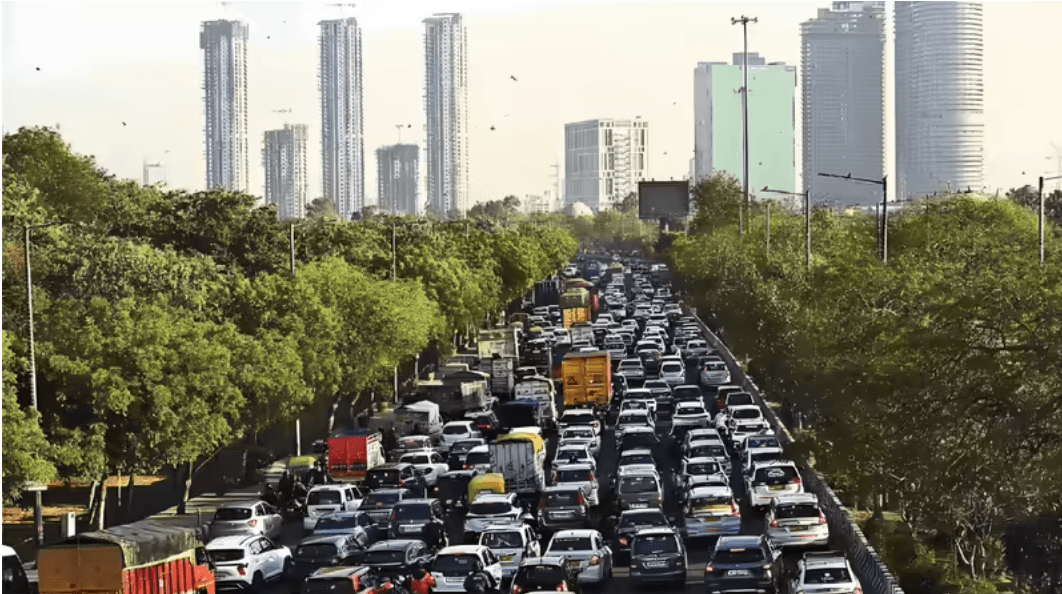
Indian cities are crumbling. Here’s how we can fix them

Traffic snarls, shoddy infra and public facilities are the result of neglecting civic bodies and underfunding the city core. With better planning and innovation at central, state and city levels, India can script a turnaround for its urban future.

image

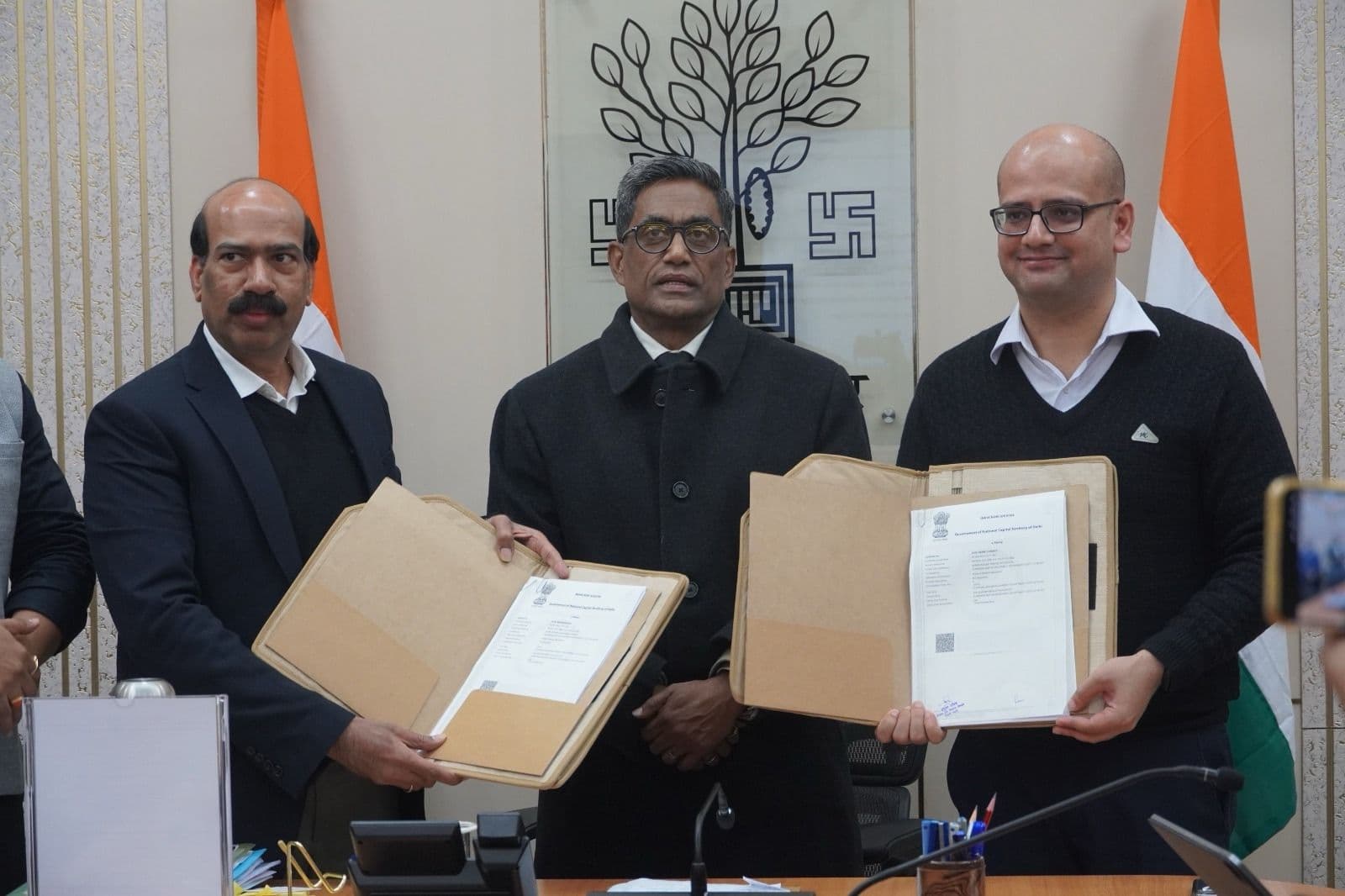
Andhra Pradesh govt., NITI Aayog, ISEG Foundation sign MoU on energy transition roadmap

As part of the agreement, the government intends to increase the share of renewables in power capacity addition.

image

Niti Aayog eyes $25 billion exports of hand and power tools by 2035

The plan proposed by Niti Aayog and the Foundation for Economic Development involves creating manufacturing clusters for such tools across the country, bolstered by a cumulative ₹57,000 crore investment by government and industry.

To know more about opportunities to collaborate, write to us at [email protected]

imageimage

The Convergence Foundation seeks to be a powerful catalyst in India’s development journey, by creating momentum around pivotal ideas that have the highest potential for transformational change.

Home

Financials and Reports
Contact Us

©2024-25 The Convergence Foundation

T&C | Privacy Policy

Designed with 🤍 by Sane Difference